BLUF
For government contractors, compliance with federal regulations isn’t just about avoiding penalties. Consistent adherence to FAR and DFARS requirements, coupled with audit readiness, builds trust with agency customers, strengthens operational controls, and protects the organization when formal reviews occur. Setting up the right systems and practices turns compliance from a risk into a competitive advantage.
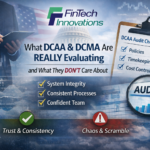
Compliance is one of the most frequent sources of stress for government contractors. Complex regulations, evolving requirements, and audits from agencies like DCAA and DCMA often feel like hurdles — especially when teams are focused on winning awards and executing contracts. But strong compliance should not be a reactive scramble. It should be a reliable foundation of how the business operates.
Contracts include FAR and DFARS clauses because federal customers must protect public funds, ensure accountability, and safeguard sensitive information. Meeting these obligations consistently keeps programs running and positions contractors to win future work. It also makes audits less disruptive and more predictable.
Here’s what contractors need to focus on to build and sustain compliance and audit readiness.
1. Understand Applicable Requirements
The first step to compliance is knowing precisely what applies to your contracts.
The Federal Acquisition Regulation (FAR) establishes general rules for federal contracts, including documentation, cost principles, and record retention requirements. The Defense Federal Acquisition Regulation Supplement (DFARS) adds extra layers specific to Department of Defense work, especially around cybersecurity standards, contract reporting, and cost accounting requirements.
Leadership should regularly review contract clauses, understand how they translate into operational obligations, and make sure internal teams share a common understanding of those requirements.
2. Maintain DCAA-Ready Accounting and Timekeeping Systems
One of the most common areas of noncompliance occurs in financial systems and processes.
Government auditors don’t just look at invoices and reports. They review how labor is tracked, how costs are classified, and whether accounting systems provide traceable audit trails. An accounting environment that clearly segregates direct and indirect costs, enforces accurate timekeeping, and preserves records in accessible formats prepares a contractor for effective government review.
Documented cost allocation policies, consistent labor distributions, and transparent reporting are not optional — they are expected.
3. Embed Cybersecurity Controls into Daily Operations
DFARS contract clauses often require compliance with specific cybersecurity standards like NIST SP 800-171 and, increasingly, CMMC. Protecting Controlled Unclassified Information (CUI) is not only a contractual obligation, it is a prerequisite to contract execution and a key element of audit readiness.
Organizations should conduct structured assessments against required security standards, maintain a System Security Plan, and implement a Plan of Action and Milestones to address gaps. Multi-factor authentication, encryption, and documented incident response procedures are part of current expectations.
Proactive cybersecurity compliance reduces risk and positions the organization for future certification requirements.
4. Organize and Preserve Documentation
Good compliance is reflected in solid documentation.
Contracts, cost proposals, purchase orders, invoices, time sheets, subcontract records, and written policies should be systematically organized and retained in a secure, centralized repository. Cloud systems with access controls help ensure information is available when auditors request it.
Documentation should be complete and coherent. When an auditor asks for evidence, clear answers — not patchwork files — build confidence and shorten review cycles.
5. Conduct Regular Internal Reviews
Annual or episodic audits alone should not be the first time compliance is tested.
Contractors that invest in regular internal reviews, mock audits, and compliance checklists discover gaps early and fix them outside of official scrutiny. Internal reviews give leadership visibility into emerging issues, prepare teams for audit interviews, and make compliance part of ongoing operations rather than a last-minute rush.
Third-party mock audits from GovCon consultants can simulate real audit conditions and strengthen readiness.
Compliance Is Continuous
GovCon compliance is not a one-and-done project. It is an ongoing discipline that requires vigilance, documentation, and cross-functional coordination. When organizations understand their obligations, align systems to contractual requirements, and build a compliance culture into everyday operations, audit readiness becomes predictable rather than disruptive.
Strong compliance improves credibility with government customers, reduces operational risk, and supports strategic growth.
If you want to strengthen your compliance posture or evaluate your audit readiness, start by mapping your FAR and DFARS obligations to daily operations. The payoff is not just fewer findings, but greater confidence and competitive edge in the GovCon marketplace.